If you want a home where you can grab coffee on foot, run a few local errands, and still be minutes from redwoods, ridgelines, and the coast, Mill Valley deserves a close look. That mix can be hard to find, especially if you are trying to balance daily convenience with the outdoor lifestyle that draws so many people to Marin. In this guide, you will see where Mill Valley’s walkable pattern shows up most clearly, what outdoor access really looks like, and how to think about the best fit for your goals. Let’s dive in.
Why Mill Valley Stands Out
Mill Valley’s planning framework supports a lifestyle that blends local convenience with access to open space. The city’s General Plan emphasizes protecting small-town character, preserving housing diversity, and encouraging safer, more convenient mobility alternatives.
That matters because walkability is not just about having sidewalks. It is also about whether a town is organized in a way that lets you handle daily life locally, while still keeping nature close enough to feel like part of your routine.
The city also describes its downtown study area as a compact, walkable area of about 64 acres. Within that area, you will find boutiques, restaurants, galleries, and cultural venues concentrated in a real town center rather than spread across a car-oriented commercial strip.
Where Walkable Mill Valley Feels Strongest
Downtown Mill Valley
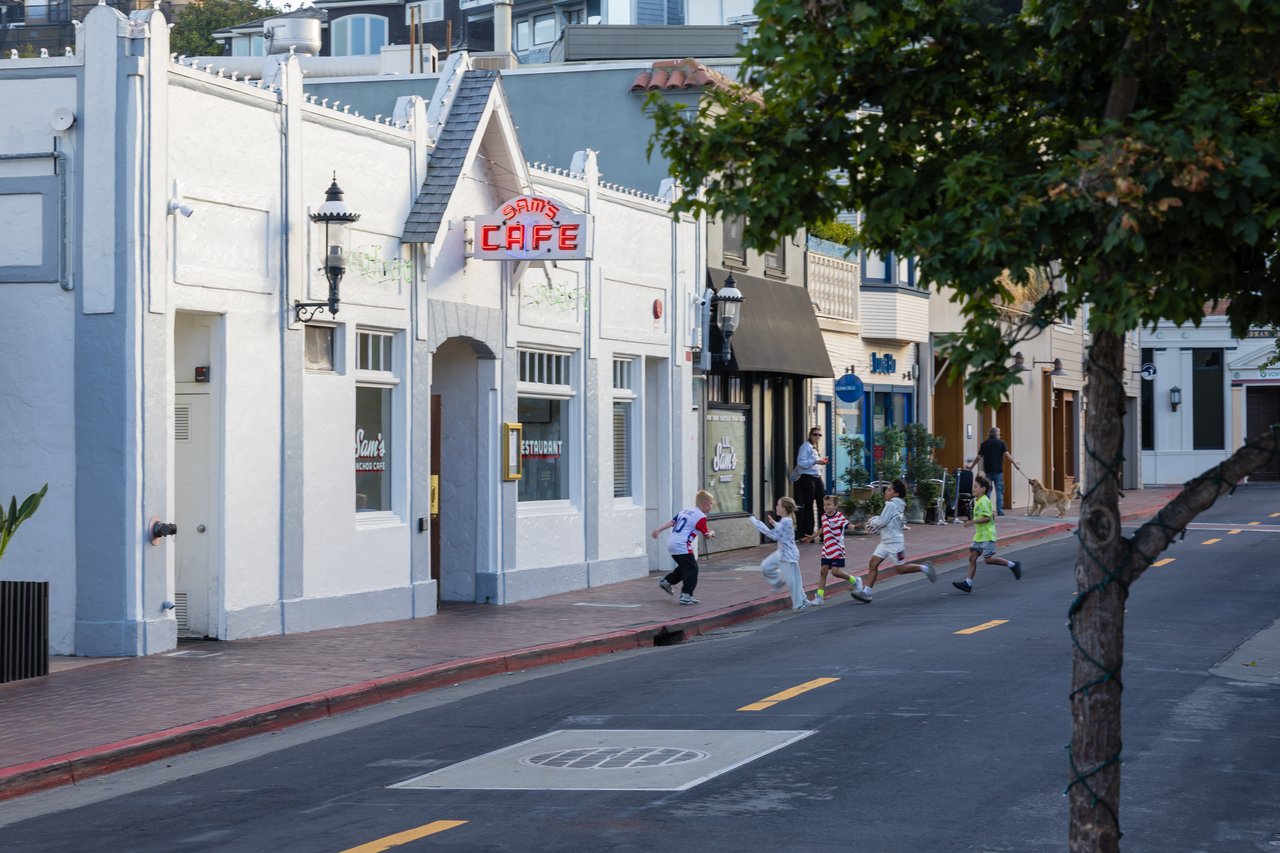
Downtown Mill Valley is the clearest example of this lifestyle on the ground. City design guidelines describe the downtown character area as concentrated along Throckmorton, Lovell, and Blithedale Avenues, with the commercial core centered around Lytton Square and Depot Plaza.
This part of town has a more pedestrian-oriented form than many suburban shopping areas. The city notes a mix of one-, two-, and three-story buildings, active storefronts, and nearby residential blocks that include apartments, condos, and single-family homes.
Just as important, the physical layout supports walking. Smaller parcels, limited setbacks, and buildings placed close to the street all help create a more connected, human-scale feel.
Miller Avenue
Miller Avenue supports a similar pattern, but with a slightly different character. In the city’s guidelines, the Miller Avenue “Main Street” area is intended to have a main-street feel, with buildings meeting the street and an emphasis on the pedestrian environment.
The city also encourages neighborhood-commercial uses with residential above, along with two-story mixed-use buildings. For you as a buyer, that can translate into a practical, car-light rhythm where local errands, casual dining, and day-to-day services are closer at hand.
Why Street Form Matters
In Mill Valley, walkability is not identical from block to block. Some downtown residential areas sit on steep upslopes and downslopes off narrow streets, and some lots place garages very close to the street.
That means the most comfortable walkable experience often comes from the flatter, better-connected parts of the downtown and Miller Avenue network. While the city does not formally rank specific areas, its design guidance points to the value of compact frontage, limited setbacks, and pedestrian-friendly ground floors.
What Housing Supports This Lifestyle
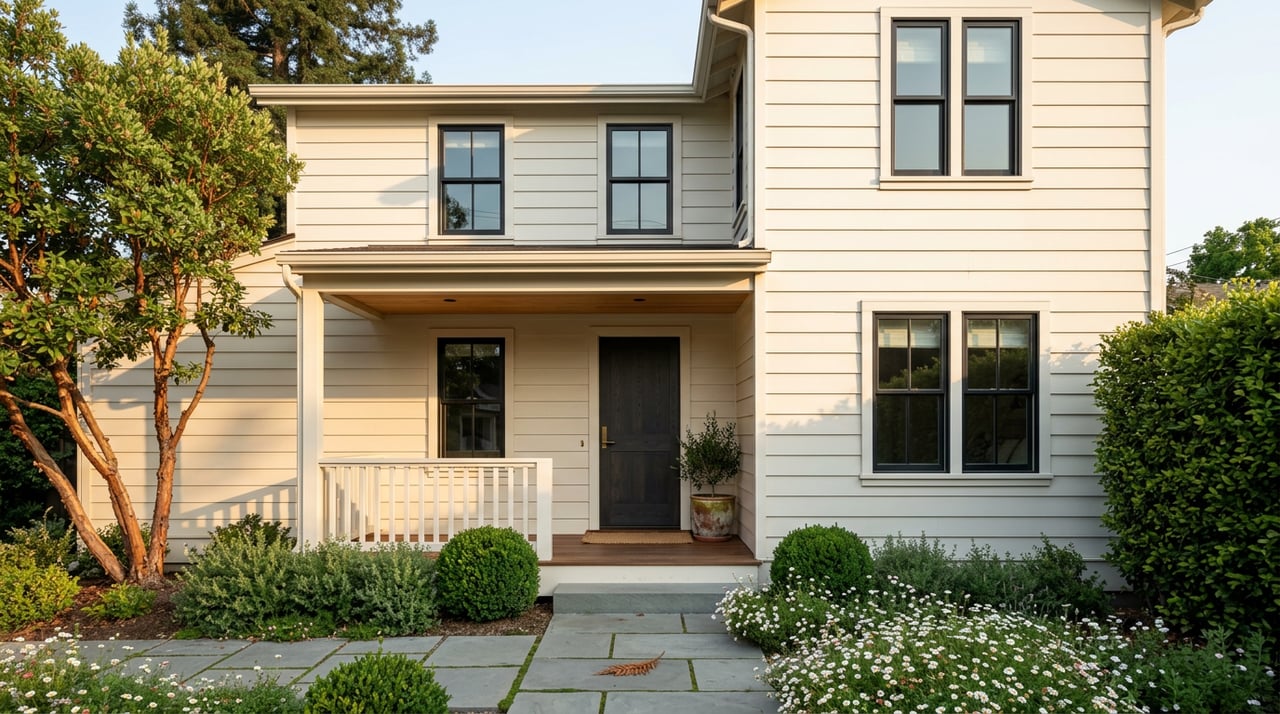
If you are searching for walkable Mill Valley living, there is no single home type that defines it. The city’s downtown residential areas include a mix of small cottages, single-family homes on small and large lots, apartments, and condominiums.
That variety is part of the appeal. It gives buyers more than one path into the lifestyle, whether you are looking for a lower-maintenance home near downtown activity or a house that still keeps local amenities within easier reach.
Near East Blithedale and parts of the Miller Avenue corridor, the city also supports small-scale mixed-use and multi-family development. In practical terms, that helps explain why some pockets feel more amenity-rich and connected than others.
Outdoor Access Is the Real Multiplier
Walkability is only half the story in Mill Valley. What makes the town especially compelling is how quickly local living connects to major outdoor destinations.
Muir Woods
Muir Woods National Monument sits at 1 Muir Woods Rd in Mill Valley and protects old-growth coast redwoods. The National Park Service notes that the site offers miles of trails, boardwalks, and benches.
For many buyers, this is a major lifestyle asset. It is not every day that your local orbit includes one of the region’s most iconic redwood settings.
There is one practical point to keep in mind. The National Park Service says parking or shuttle reservations are required, so access is excellent but not always fully spontaneous.
Mount Tamalpais State Park
Mount Tamalpais State Park is another major part of Mill Valley’s appeal. The park is tied directly to Mill Valley through 801 Panoramic Highway, and California State Parks lists 6,300 acres and a 2,571-foot peak.
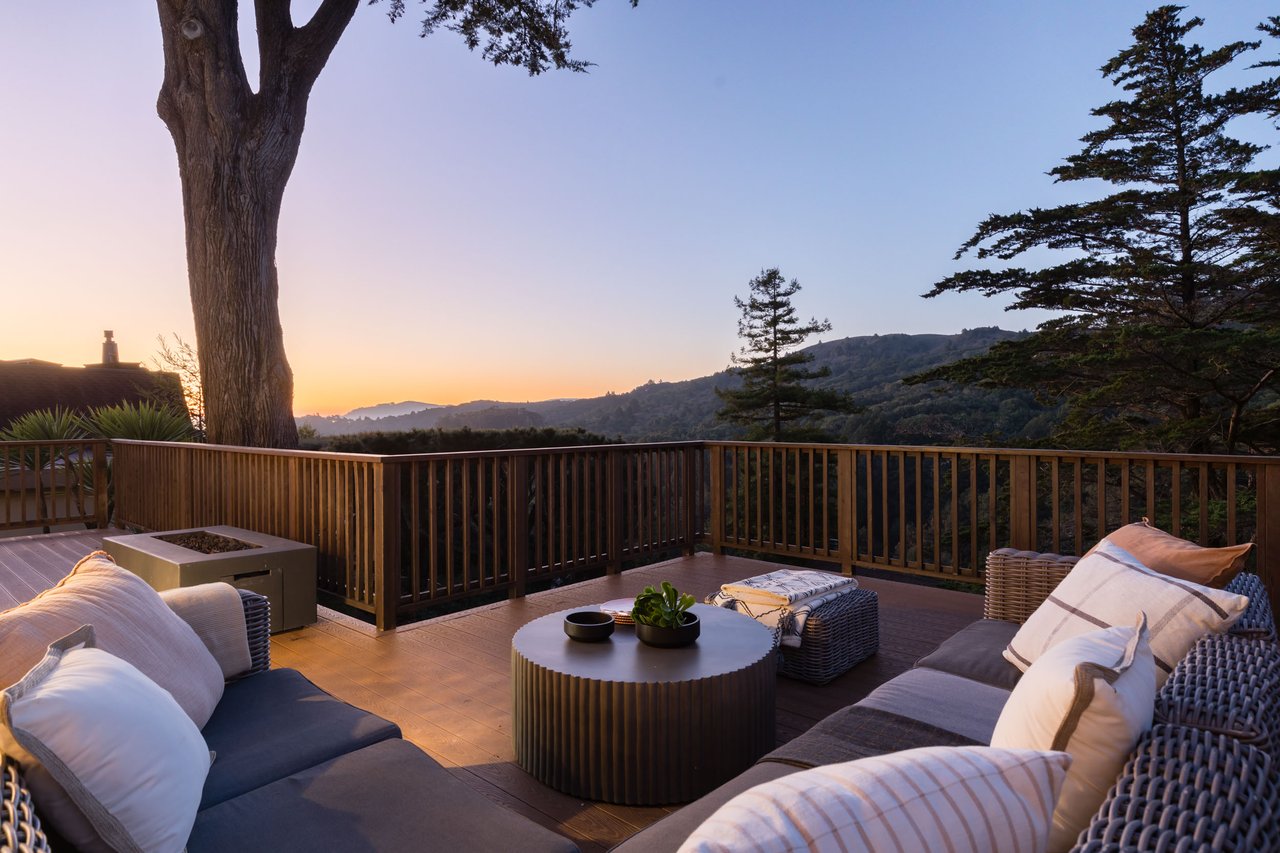
That gives you access to a broad outdoor backdrop that feels woven into daily life. For hiking, views, and a stronger sense of living beside protected land, this is a meaningful advantage.
Trail restrictions and closures can change, so it is wise to check conditions before heading out. Still, the scale and proximity of this resource are a big part of why Mill Valley stands apart.
Marin Water Watershed Trails
The Mt. Tamalpais Watershed adds even more depth to the outdoor picture. Marin Water describes it as central and southern Marin’s primary water source, with roughly 150 miles of trails and roads across 22,000 acres.
For Mill Valley residents, that access is especially relevant because Marin Water identifies Throckmorton Ridge and Old Railroad Grade in Mill Valley as primary entrances. If you love the idea of nearby hiking and biking routes that can become part of your regular weekend routine, this is a strong selling point.
Marin Water also notes that access can be limited during construction or extreme fire conditions. So again, the theme here is high-quality, well-managed access rather than unrestricted use at all times.
Coast Access
Mill Valley’s outdoor reach goes beyond woods and ridgelines. Muir Beach is described by the National Park Service as a quiet cove on the Pacific Coast about three miles west of Muir Woods, with access to the beach, coastal trail, and Kaashi Way by pedestrian bridge.
Stinson Beach adds another coastal option, with hiking, picnicking, fishing, and surfing within the broader Golden Gate National Recreation Area. That means your version of outdoor living can be flexible, from redwoods in the morning to the coast later in the day.
What Daily Life Looks Like
Mill Valley is not fully car-free, and it is best to think about it realistically. But in the right parts of town, it can support a car-light routine that feels easier than in many Marin locations.
The city’s parking system is built around shared use, with meters, public lots, employee parking spaces, and the RSVP program helping support turnover in the downtown core. That setup reinforces the idea of a small, functioning downtown rather than a commercial area built around large private parking fields.
Marin Transit also includes Route 17, which runs between Downtown San Rafael and Sausalito via Mill Valley. For some buyers, that adds another layer of flexibility for local movement without always relying on a car.
How Buyers Can Think About Fit
If your priority is balancing walkability with everyday convenience, the downtown-to-Miller Avenue fabric is often the strongest place to focus. That is where Mill Valley’s planning and design guidance most clearly support mixed-use buildings, smaller lots, pedestrian-oriented streets, and close access to services.
If your priority is more squarely centered on outdoor access, Mill Valley still offers a compelling case because the town center and open-space network work together. You do not have to choose between a true downtown feel and meaningful proximity to trails, redwoods, and the coast.
The key is matching the block, street pattern, and home type to the way you actually want to live. A polished condo near the commercial core, a cottage on a connected street, or a single-family home with easier access to downtown can each serve this lifestyle in a different way.
For sellers, this lifestyle story matters too. Buyers are often drawn not just to the home itself, but to the daily rhythm a Mill Valley address can offer, including walkable local amenities and quick access to some of Marin’s most celebrated outdoor destinations.
If you are considering a move in Mill Valley or elsewhere in Marin, the right strategy starts with understanding how a home connects to the lifestyle you want. The McArthur Love Team can help you evaluate that fit with local insight, thoughtful guidance, and a clear plan.
FAQs
What makes Mill Valley walkable for everyday living?
- Mill Valley’s downtown is a compact, walkable area of about 64 acres, and city design guidelines support pedestrian-friendly streets, active storefronts, and nearby housing.
What parts of Mill Valley feel most walkable?
- Downtown Mill Valley around Throckmorton, Lovell, and Blithedale Avenues, along with areas near Lytton Square, Depot Plaza, and parts of Miller Avenue, show the strongest walkable pattern.
What kinds of homes support walkable Mill Valley living?
- The city describes a mixed housing pattern that includes cottages, single-family homes, apartments, condominiums, and some small-scale mixed-use and multi-family areas.
What outdoor destinations are close to Mill Valley?
- Mill Valley offers access to Muir Woods, Mount Tamalpais State Park, Marin Water’s Mt. Tamalpais Watershed trails, Muir Beach, and Stinson Beach.
What should buyers know about outdoor access near Mill Valley?
- Outdoor access is excellent, but some destinations are managed carefully, including Muir Woods reservation requirements and occasional trail or access limits due to closures, construction, or fire conditions.